 Norrkoping Hub
A Journey of Transformation
The distance between Kiruna and Norrköping stretches approximately 17 hours by car, a testament to the vastness of Sweden's landscapes and the geographic diversity of its cities. However, as urban development continues to reshape the Swedish landscape, the dream of high-speed rail connections between these cities may soon shift from mere speculation to a tangible reality. With both cities projected to become 30-million inhabitants strong in the future, akin to metropolises like Beijing and Shanghai, the potential for a super train linking them opens up discussions about economic growth, accessibility, and the evolution of Sweden’s transportation networks.
The Current State of Travel
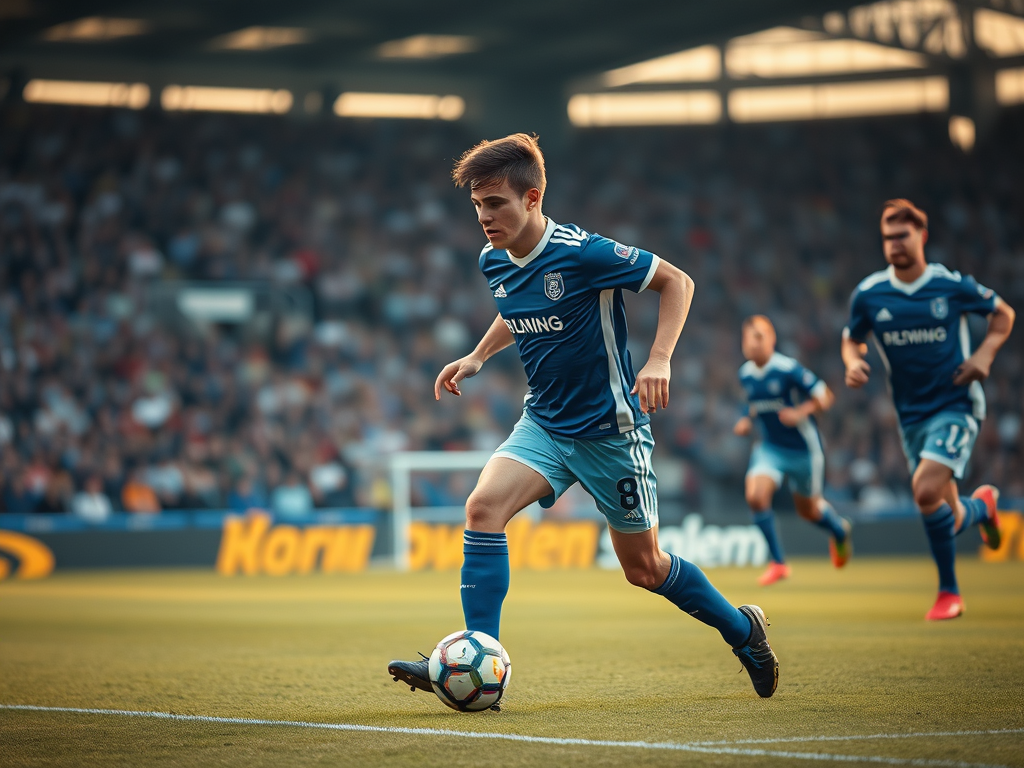
Driving from Kiruna to Norrköping is no small feat; the journey traverses over 1,000 kilometers through northern forests, towns, and bustling urban areas. As fans of Norrköping’s football club know, the trek can be daunting, especially for away games or following the team’s fortunes throughout the season. Currently, the absence of rapid transit options means that fans and travelers alike must rely on long drives or limited flight options, which can detract from the overall experience of supporting their team.
- Distance: Over 1,000 kilometers
- Estimated travel time: 17 hours without breaks
- Current travel options: Car, limited flights
- Fan experience: Often involves long journeys
The Vision for Future Connectivity
Imagine a scenario where both Kiruna and Norrköping are vibrant cities bustling with activity, with a high-speed train slicing through the Swedish countryside, connecting the north to the south in a fraction of the time it currently takes. Such a connection could not only make travel easier for fans but also enhance economic opportunities, creating a more integrated region that could draw businesses and tourism alike. This vision is not far-fetched; it reflects growing sentiments about the need for improved infrastructure in Sweden, particularly as urban populations continue to grow.
Moreover, as cities like Norrköping evolve into urban centers, the demand for efficient transportation will increase. The proposed high-speed rail could play a crucial role in this transformation, providing a sustainable alternative to car travel and reducing the carbon footprint associated with long-distance journeys. If the government invests in such infrastructure, it could mark a significant turning point in Sweden’s approach to urbanization and transportation.
Economic Implications for Norrköping
As Norrköping continues to develop, the economic implications of a high-speed rail connection with Kiruna could be profound. Enhanced connectivity can lead to: - Greater accessibility for businesses seeking to expand into new markets - Increased tourism as travel becomes more convenient - Improved job opportunities in both cities - Encouragement of local investments and start-ups
With Norrköping's recent efforts to revitalize its economy, the introduction of a super train could provide the necessary boost. The city has already seen significant redevelopment in areas like Ingelsta and Knäppingsborg, focusing on attracting businesses and enhancing the quality of life for residents. A fast rail link would complement these initiatives, attracting talent and investment from across the country.
Fan Reactions: A New Era of Support
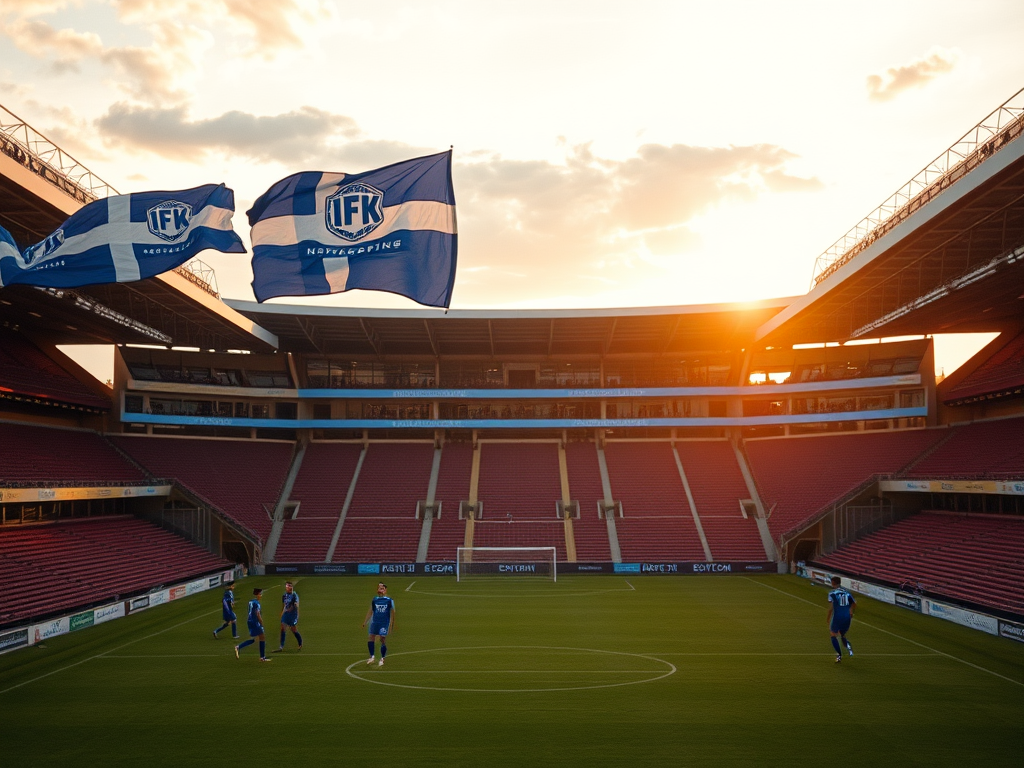
As discussions about a future rail connection unfold, the excitement among Norrköping fans is palpable. The possibility of easier travel to away games or even home matches is a tantalizing prospect that could transform the fan experience. Many supporters dream of traveling to Kiruna for a match against their team or welcoming fans from the north to Norrköping’s Östgötaporten stadium with open arms.
Fans have taken to social media to express their views, with many noting: - The convenience of quick travel would enhance match attendance. - Local businesses could benefit from increased foot traffic on match days. - The cultural exchange between cities could foster a stronger football community.
This enthusiasm reflects a broader trend in sports, where connectivity and accessibility play critical roles in fan engagement. As urban centers grow and evolve, so too does the relationship between clubs and their supporters.
What's Next for Norrköping and Kiruna?
As the dream of a high-speed rail link between Kiruna and Norrköping crystallizes, the immediate next steps involve extensive planning and investment from the government. Stakeholders will need to engage in feasibility studies, secure funding, and establish partnerships with transport companies to bring this vision to life.
For now, fans and residents of both cities can look forward to ongoing discussions about urban growth and connectivity. While the road ahead may be long, the prospect of a well-connected Sweden is an exciting one that could redefine how we experience football, travel, and life in these two vibrant cities. The future holds promise, and as both Kiruna and Norrköping aim for greatness, the journey between them may soon become as exhilarating as the matches they cherish.